
"Site 14's data looks too good."
Data Quality Protection
We catch what regulators will reject, before you submit. Anomaly detection surfaces site-level risk and paradoxical patient patterns while they are still fixable, not after they have buried your primary endpoint.
Assess your trial's risk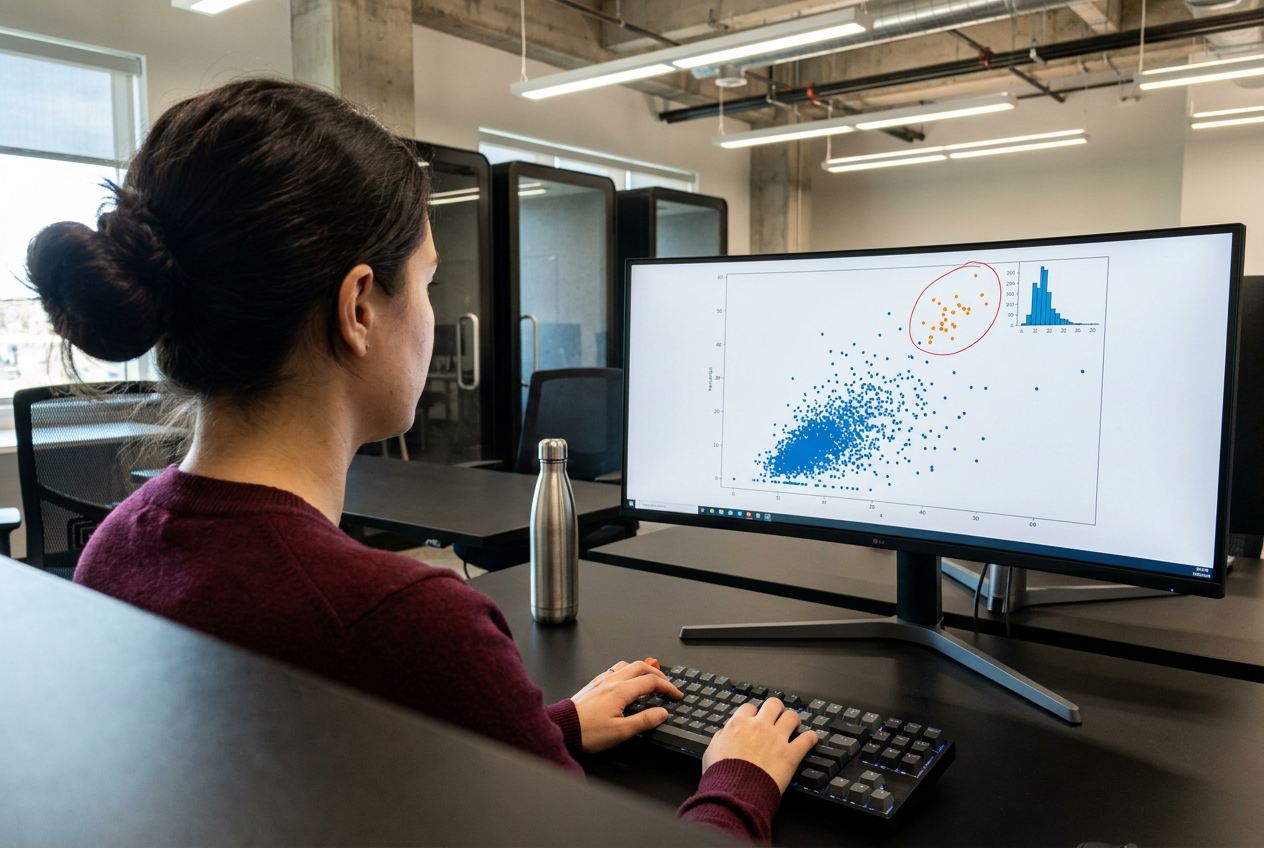
Compromised site data can cancel out a real treatment effect
The integrity of clinical trials is under threat from increasingly sophisticated site-level data problems, which flourished in the post-COVID environment. Research indicates that in Alzheimer's studies not requiring PET scans, approximately 10% of sites may have anomalies in up to 20–30% of enrolled subjects.
Deceptive practices range from "professional patients" to simulated clinical outcome data. Left unchecked, they reduce the observed effect size and increase variability, potentially canceling out a true treatment effect and causing a viable, life-changing therapeutic to fail its clinical trial.
~10%
of sites may show anomalies in Alzheimer's studies without required PET confirmation
20–30%
of enrolled subjects at affected sites
Blinded
algorithms, no unblinding required
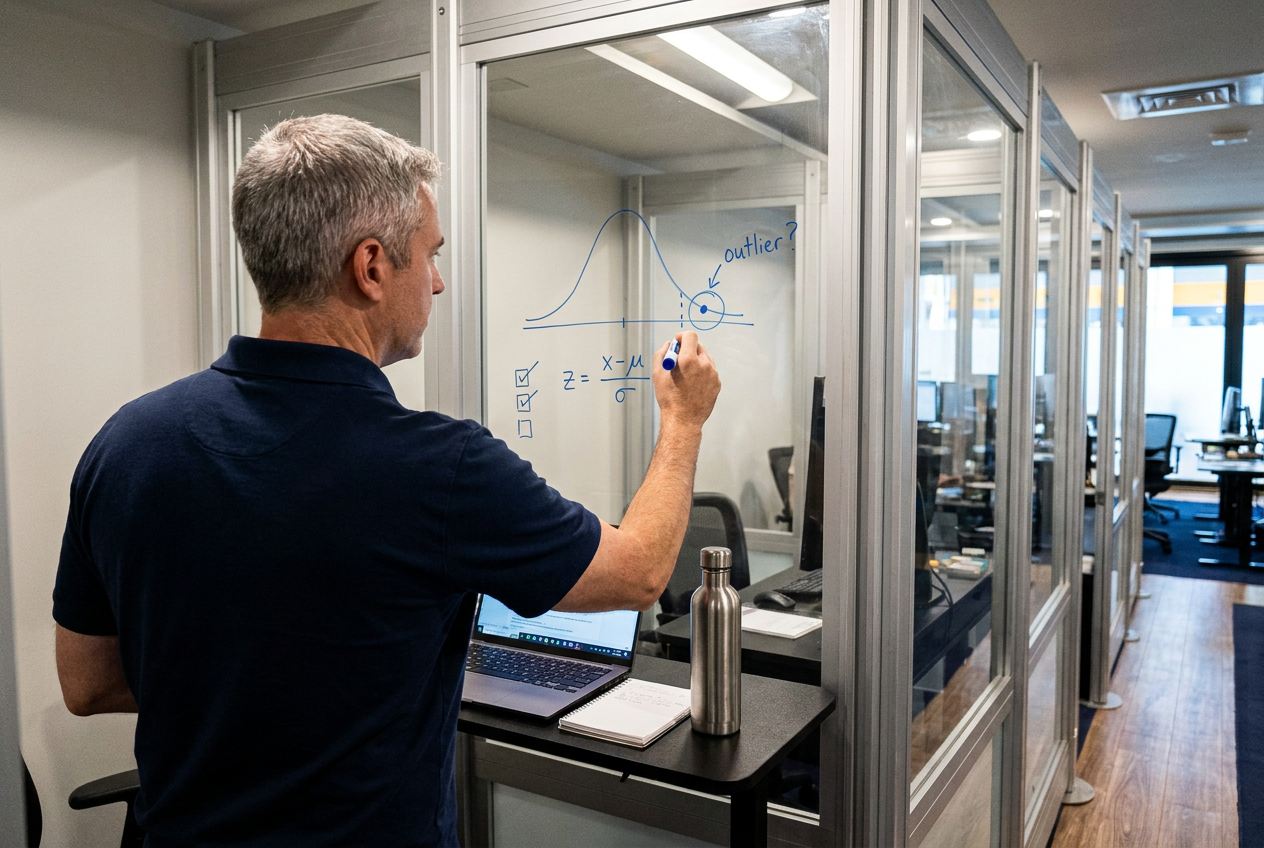
Data Anomaly Detection and Monitoring
Pentara offers a specialized toolbox designed to identify and mitigate these risks where traditional regulatory audits and standard data management fail. Our team uses advanced, blinded statistical algorithms and medical audit methods to detect issues that remain invisible to conventional oversight.
By incorporating deep medical expertise and targeted data analysis, we help sponsors protect their investment, safeguard vulnerable populations, and ensure the true efficacy of a drug is clearly observed. Partnering with Pentara means moving beyond basic compliance to an effective, data-driven defense of your trial's success.
Read how our team uses ML-based detection to identify site-level data anomalies in Alzheimer's trials, published in Alzheimer's & Dementia.
View publication → (opens in a new tab)Least expensive point to bring us in · Database lock
Anomaly and site screening before lock. Later, you explain it to a division instead.
Protect the effect size you worked for
We can run blinded anomaly detection alongside your existing monitoring.